
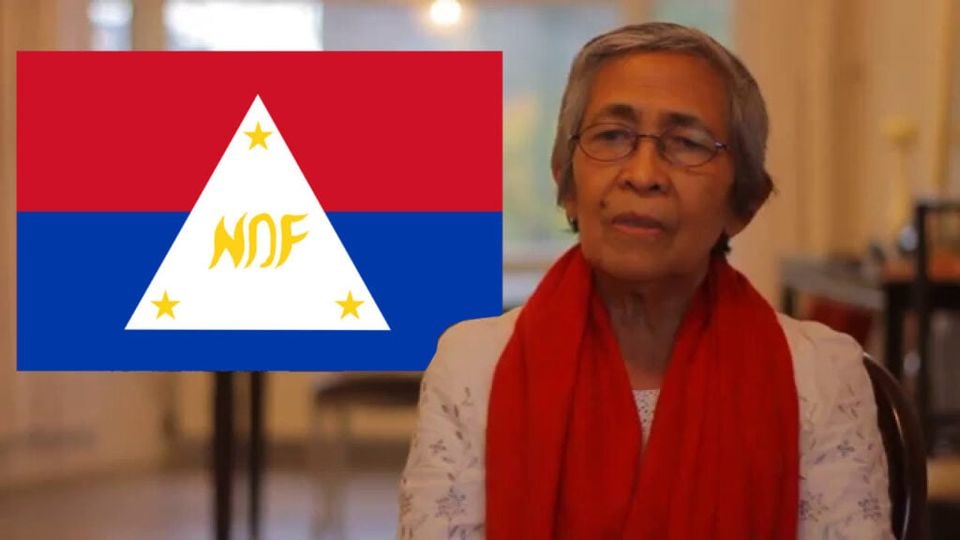
NDFP STATEMENT
August 1, 2026
OPAPRU Secretary Mel Senen Sarmiento’s recent statement that the GRP is “open to peace talks” with the Communist Party of the Philippines, the New People’s Army and the National Democratic Front must now be tested through concrete action. After decades of military offensives which have failed to meet its supposed aim of ending the NPA, relentless terror-tagging by the NTF-Elcac and senior officials of the GRP, and widespread killings of NDFP peace consultants, the GRP cannot simply invoke the language of peace while continuing policies that undermine the very conditions needed for the meaningful resumption of the peace negotiations.
If there is to be a “mutual agenda” as propounded by Secretary Sarmiento, then the GRP must do away with its declared agenda of seeking the capitulation and surrender of the revolutionary movement. Genuine peace negotiations are premised on the recognition that armed conflict stems from deep-rooted social, economic and political problems. There can be no meaningful peace talks when one side prematurely demands the surrender of the other. As long as the GRP approaches negotiations as an instrument for the “demobilization and disarmament” of the NPA rather than a process for resolving the root causes of the civil war, its declaration of openness will remain empty and unconvincing.
If peace talks are to meaningfully resume, detained peace consultants of the NDFP must be freed from imprisonment. Their continued incarceration directly undermines the possibility of meaningful dialogue. More importantly, the continued imprisonment of hundreds of political prisoners demonstrates the GRP’s continuing reliance on repression rather than engaging equally on the table.
If peace talks were to meaningfully resume, it should be on the basis of previous agreements which the GRP signed in past years. The current leader of the GRP can establish his credibility as peace maker by recognizing the framework established in more than three decades of peace negotiations. If past agreements are not recognized, agreements he will sign will carry no significance in the future, reducing peace negotiations to a spectacle for political grandstanding.
The GRP’s sincerity is further called into question by the prominent role played by officials who continue to look at the peace negotiations through a purely military viewpoint. Can peace negotiations prosper when the GRP doesn’t speak with one voice, when Secretary Sarmiento talks of “openness” while key officials such as Defense Secretary Gilberto Teodoro and others of his ilk, vehemently oppose peace talks? Any meaningful peace negotiation requires the willingness to address the roots of armed conflict, not the mindset of generals and US-backed war planners who view every issue through the barrel of a gun.
Assumably, Secretary Sarmiento’s declared openness to resume peace negotiations with the NDFP is official policy of the Marcos regime. Whether this is a serious policy will be measured by how the GRP addresses its self-contradictory policy of designating the CPP, the NPA and the NDF as “terrorist” organizations. Peace talks, by their very nature, require the recognition that there are parties to a conflict with whom dialogue is necessary to build peace. Persistently branding one side as “terrorist,” and subjected alleged members and supporters to surveillance, harassment and prosecution only poisons the atmosphere for dialogue.
The Filipino people deserve a just and lasting peace founded on agreements that address the problems of widespread joblessness, landlessness, and poverty. Such a peace will not emerge from demands for surrender, the continued incarceration of hundreds of political prisoners, or the militarist thinking of war-hungry hawks inside the GRP.
Julie De Lima
Chairperson, NDFP Peace Negotiating Team